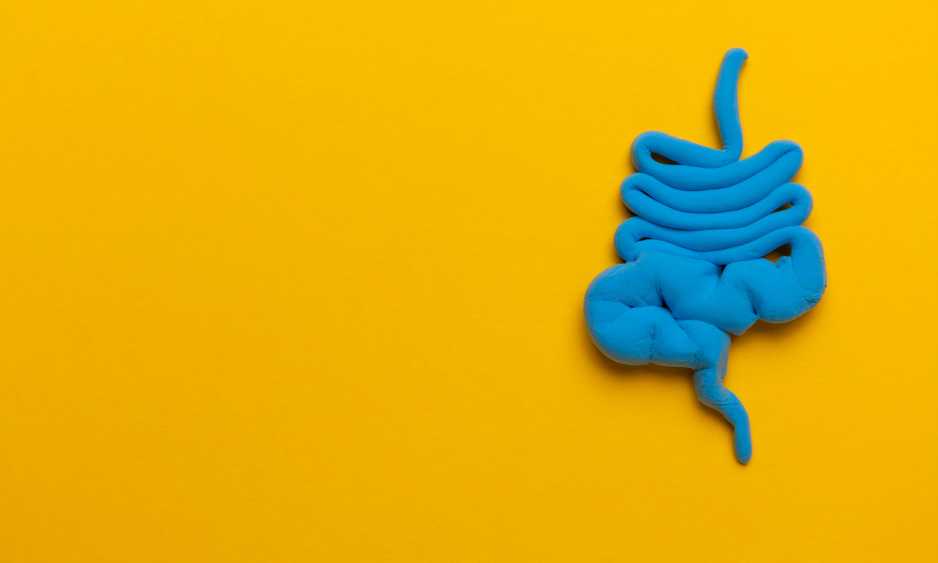
De verbinding tussen de darmen en het brein, vaak aangeduid als de darm-hersenas, is een snelgroeiend onderzoeksgebied dat licht werpt op hoe dieet de mentale gezondheid kan beïnvloeden. Deze connectie benadrukt het belang van voedingskeuzes voor het behoud van niet alleen de lichamelijke, maar ook de geestelijke gezondheid.
Begrip van de Darm-Hersenas
De darm-hersenas is een complex communicatienetwerk dat het centrale zenuwstelsel (het brein) verbindt met het enterische zenuwstelsel (de darmen). Deze verbinding is niet alleen fysiek, maar omvat ook biochemische signalering.
- Neurotransmitters: De darm produceert een breed scala aan neurotransmitters, waaronder serotonine, die een sleutelrol speelt in de regulatie van stemming.
- De Nervus Vagus: Deze zenuw is een van de primaire verbindingen tussen de darm en het brein en zendt signalen in beide richtingen.
Hoe Dieet de Darm-Hersenas Beïnvloedt
Voedingskeuzes hebben direct invloed op de samenstelling van het darmmicrobioom, wat op zijn beurt de darm-hersenas beïnvloedt.
- Darmmicrobioom: Een divers en gebalanceerd darmmicrobioom is essentieel voor goede mentale gezondheid.
- Probiotica en Prebiotica: Voedingsmiddelen rijk aan probiotica (zoals yoghurt en gefermenteerde voeding) en prebiotica (gevonden in vezels) kunnen een gezond darmmicrobioom ondersteunen.
De Rol van Ontsteking
Ontsteking in het lichaam, inclusief de darmen, kan het brein beïnvloeden en bijdragen aan stemmingsstoorn
De toekomst van gezondheid
Stap in de toekomst van gezondheid met BiteBoard - een app die gewichtsverlies en dieettracking revolutioneert.